ECHOES OF THE BATH
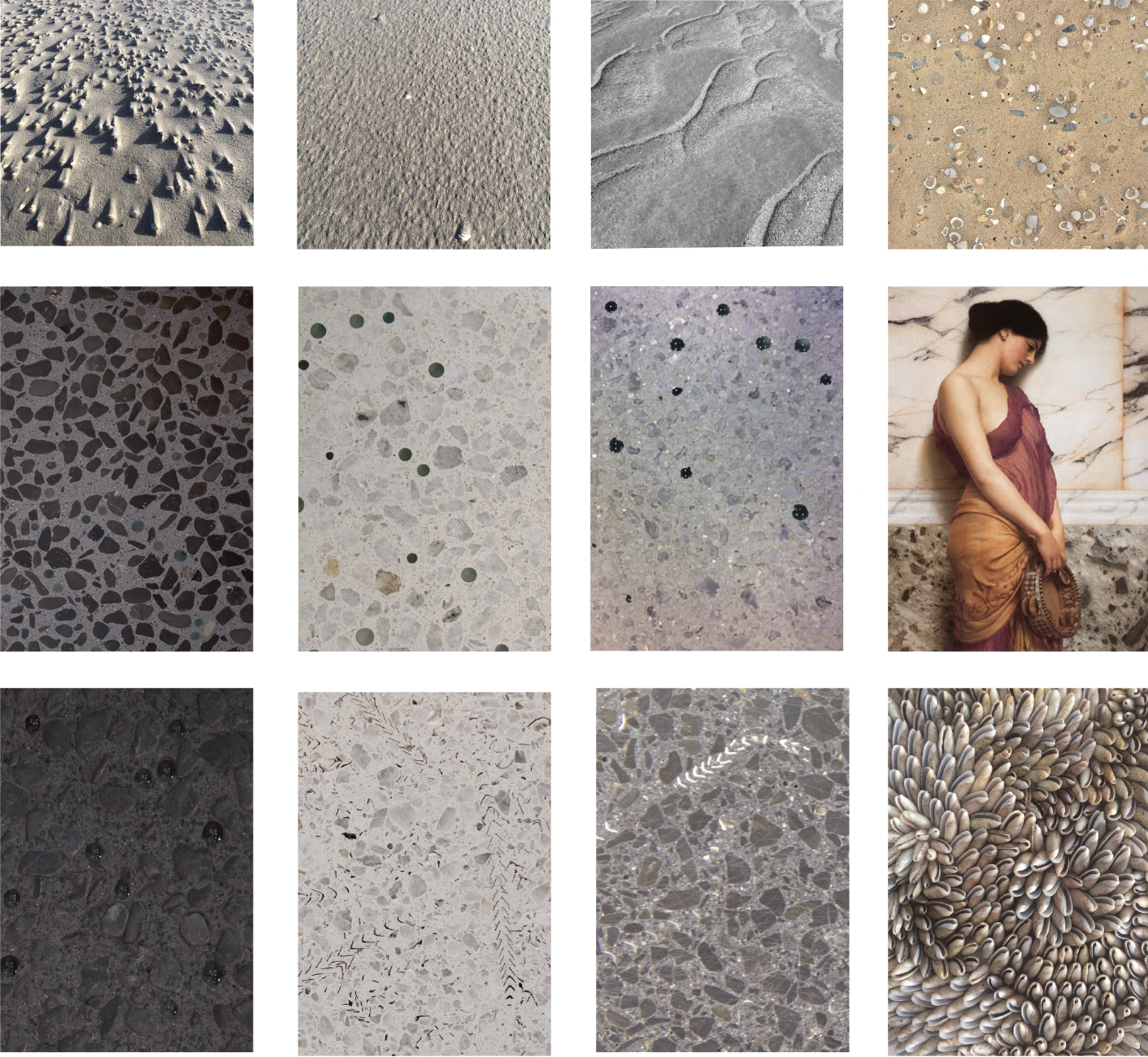
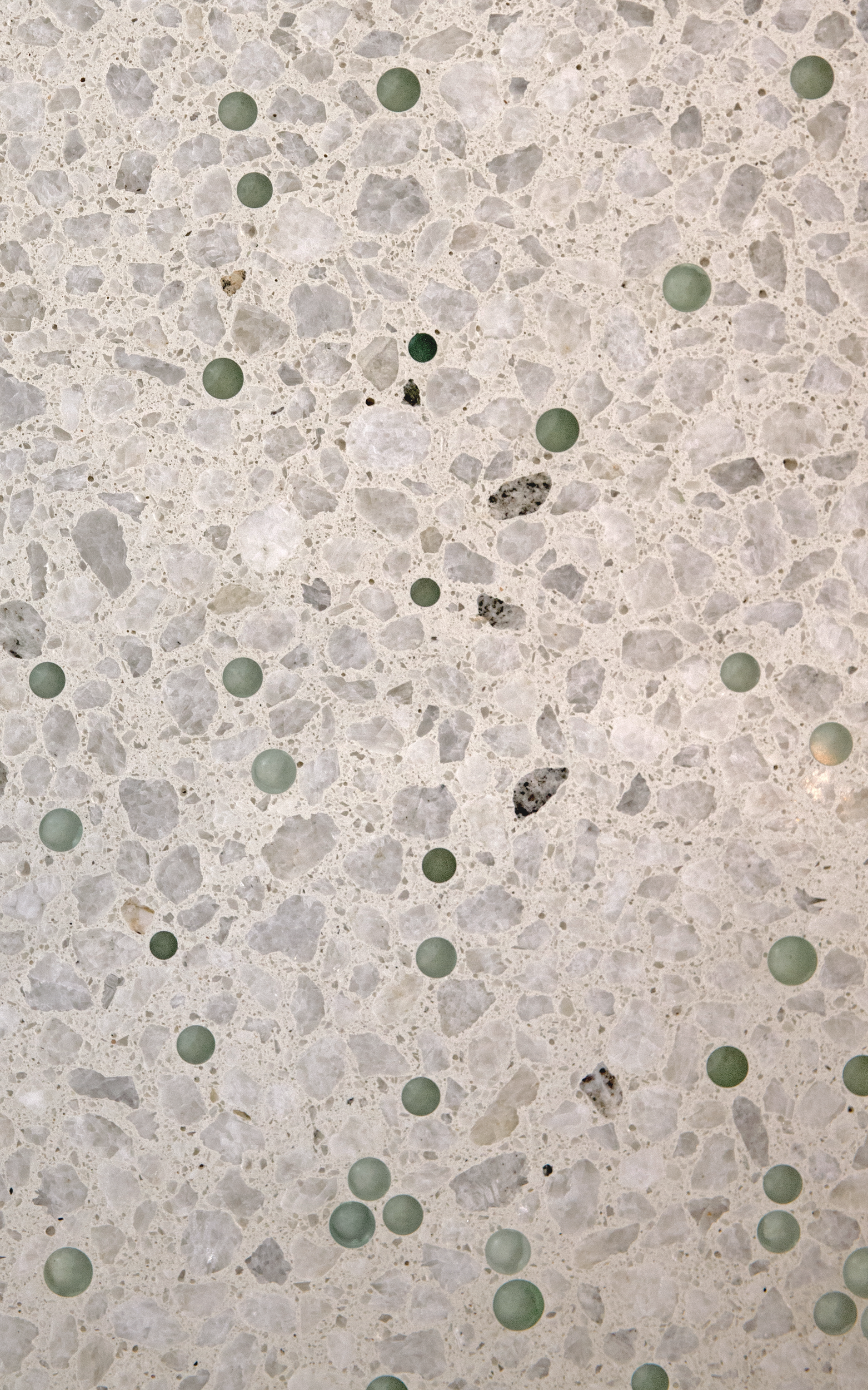
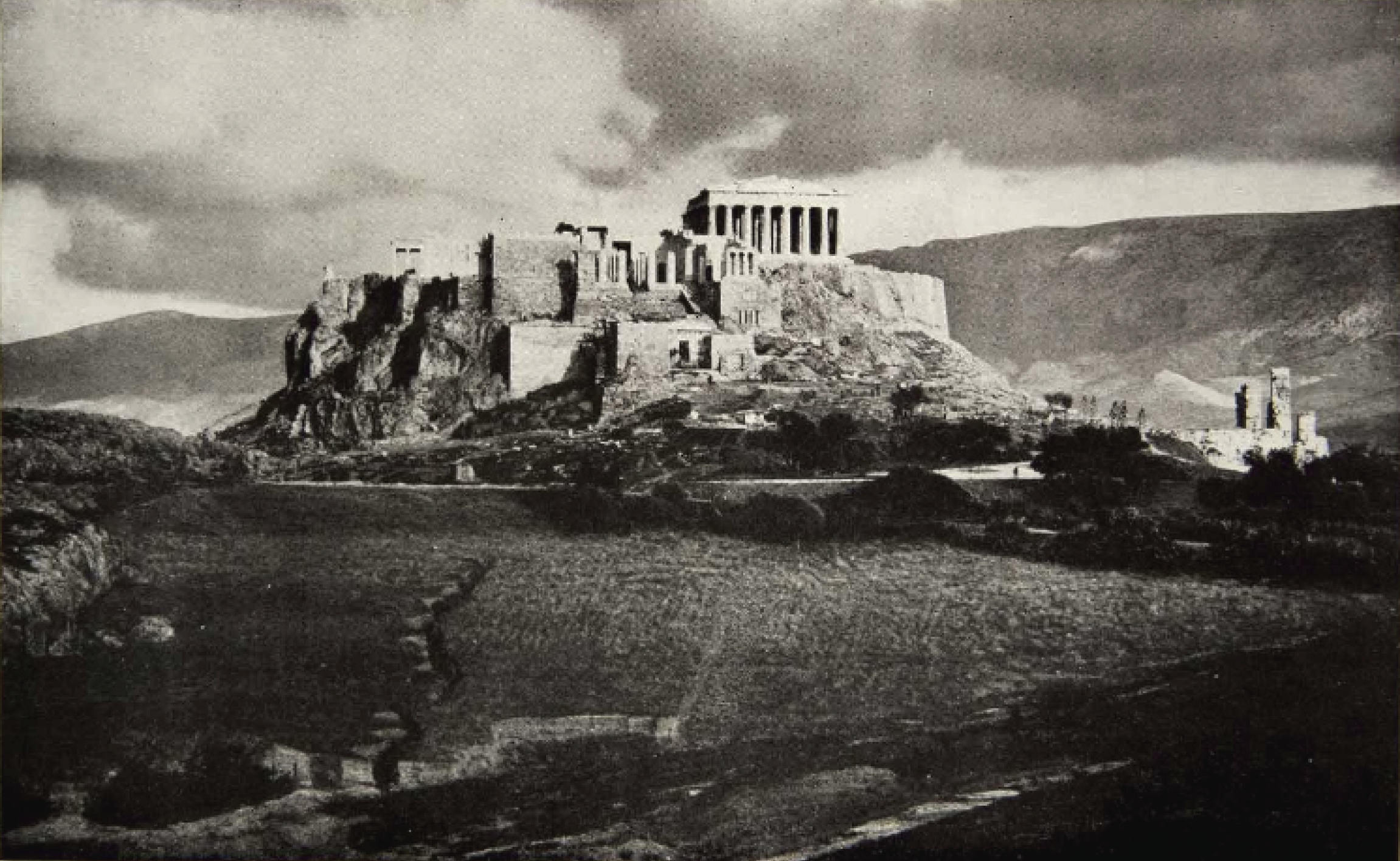
The way the Romans decorated their baths with large pieces of natural stone and their beautiful patterns was very appealing to me. Each room was decorated differently depending on the thermal conditions. The overwhelming grandeur of the Roman baths created a sense of both allure and relaxation. I searched for a way to apply these ideas in a contemporary manner.
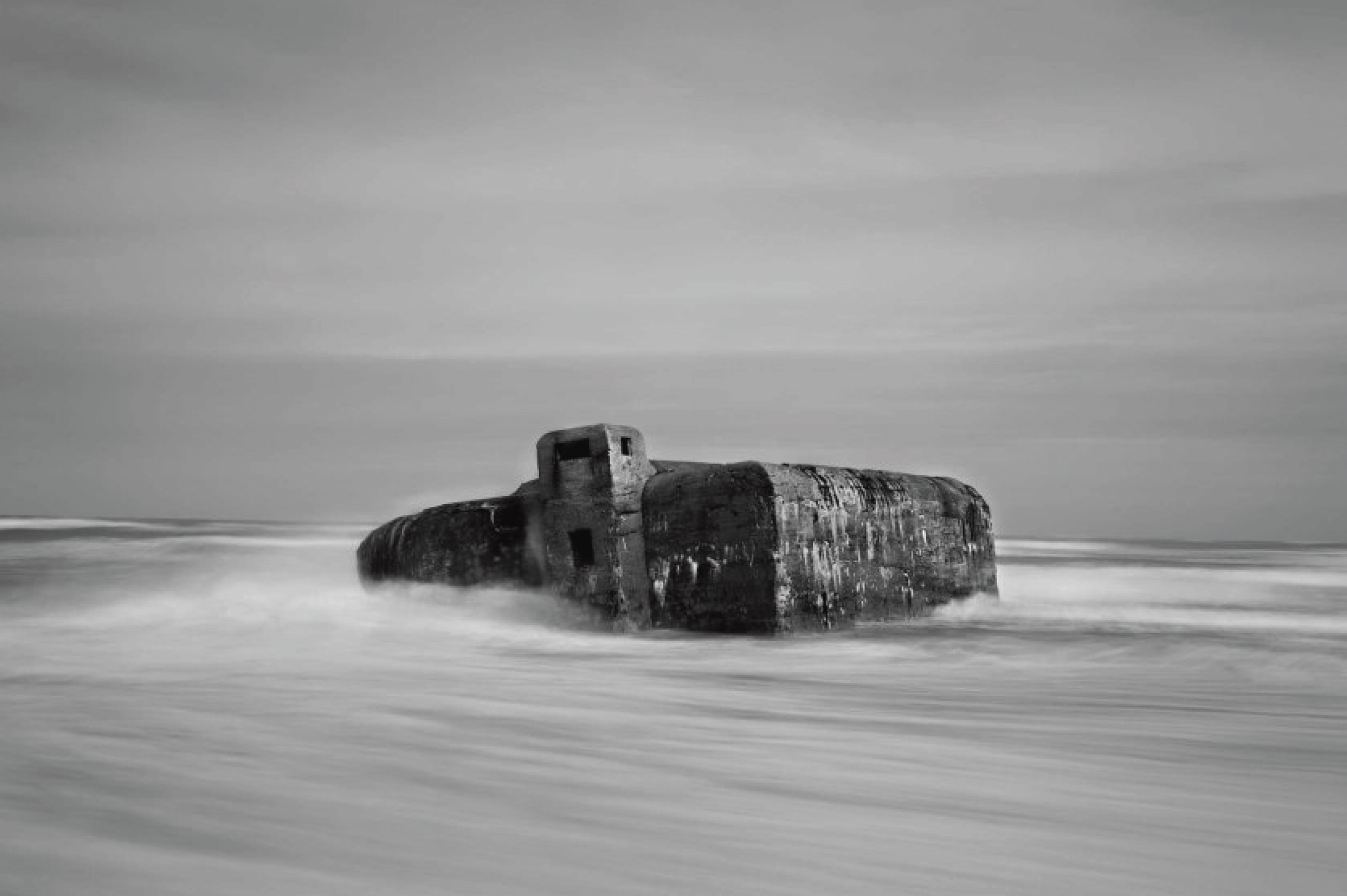
In addition to the Roman bathhouses, I explored materials that match the beach and its textures, which change almost every day due to the wind, the tides, and the sun. By polishing, washing, brushing, and sandblasting concrete in different ways, a variety of textures can be created, similar to those found in sand.
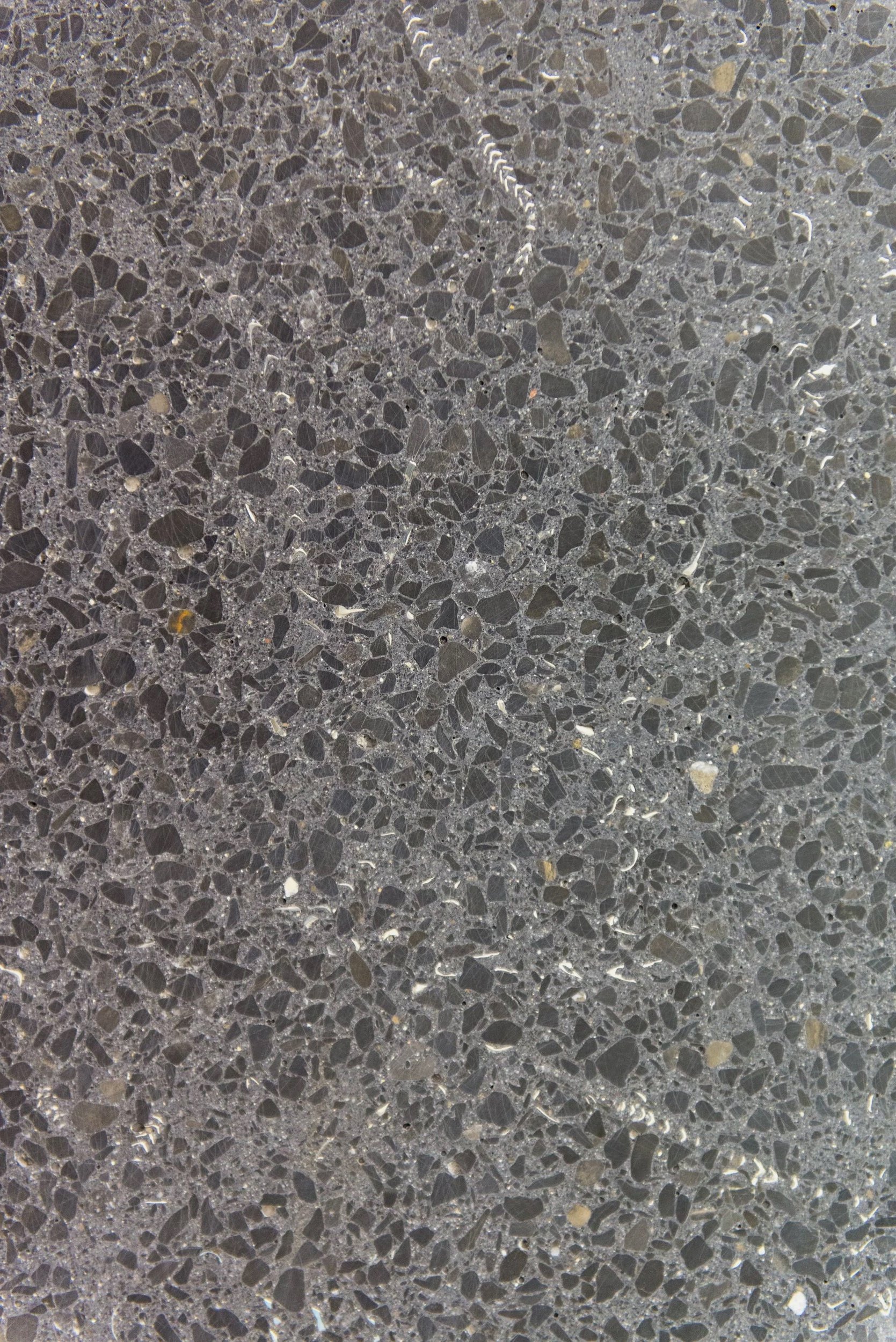
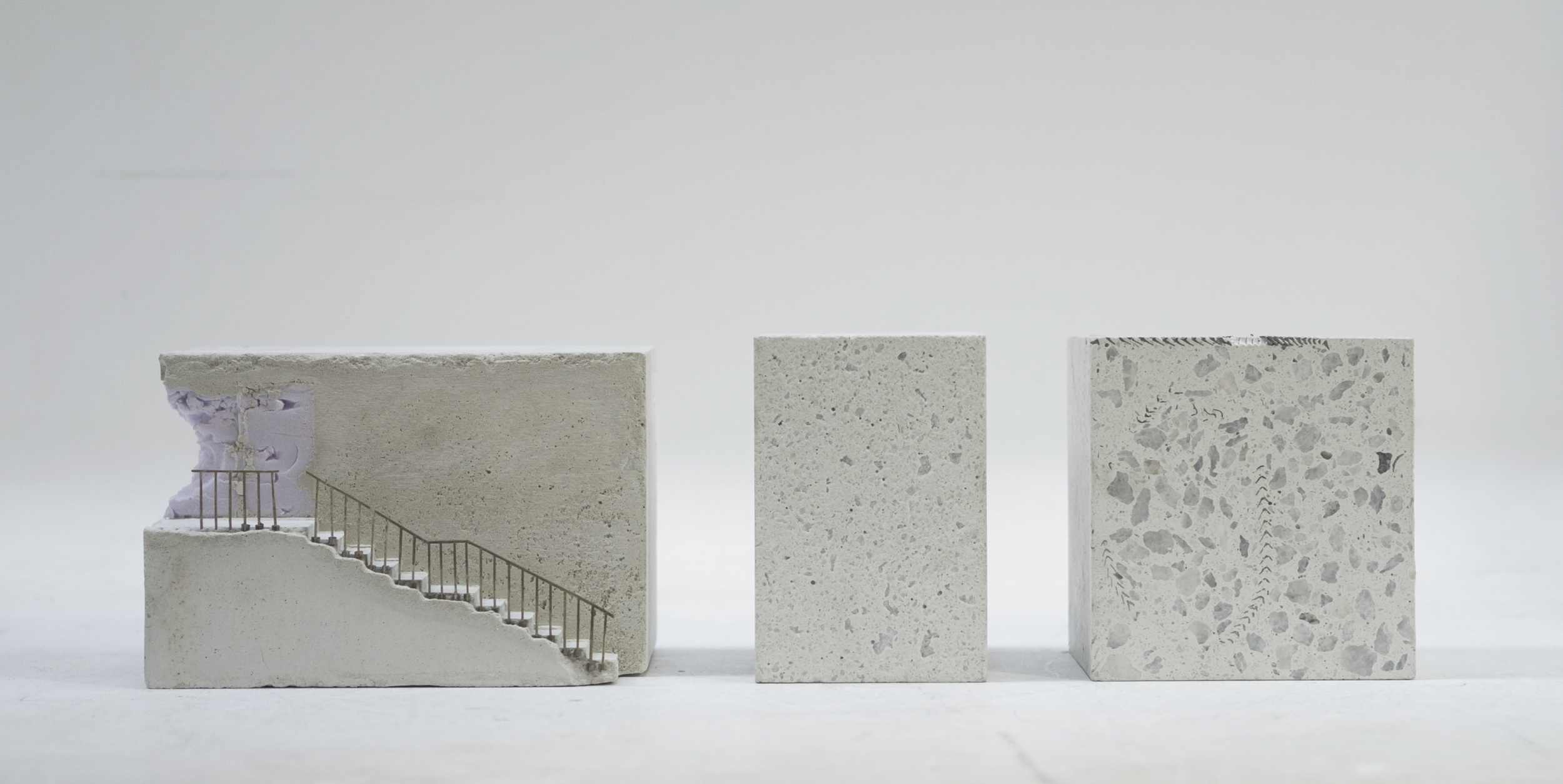
New aggregate materials such as stainless steel (a leftover material from the concrete factory) or glass marbles provide organic patterns, just as natural stone has its own unique patterns.
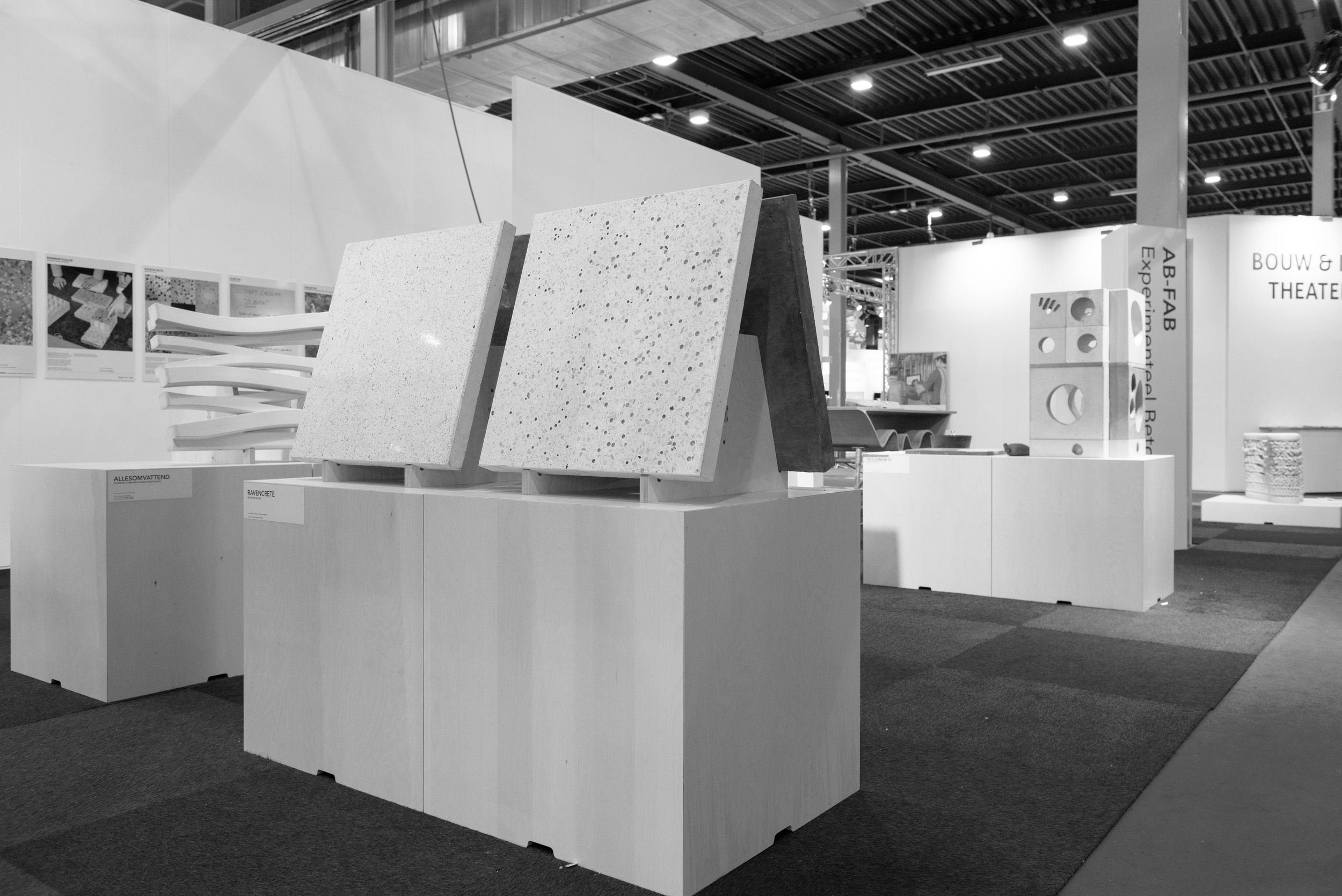
Each process creates a different appearance. Together with Hurks Prefabconcrete, I produced a large number of test pieces using concrete, marbles, and stainless steel for my material research.
To further emphasize the transition from public to private spaces, the material plays an important role. The rough outer façade of insulating concrete has a coarser structure than in-situ concrete. The deeper you enter the bathhouse, the fewer clothes you wear and the softer the materials become. Eventually you arrive in the heart of the bathhouse, wearing only a towel around your waist, in a sauna finished with wood.
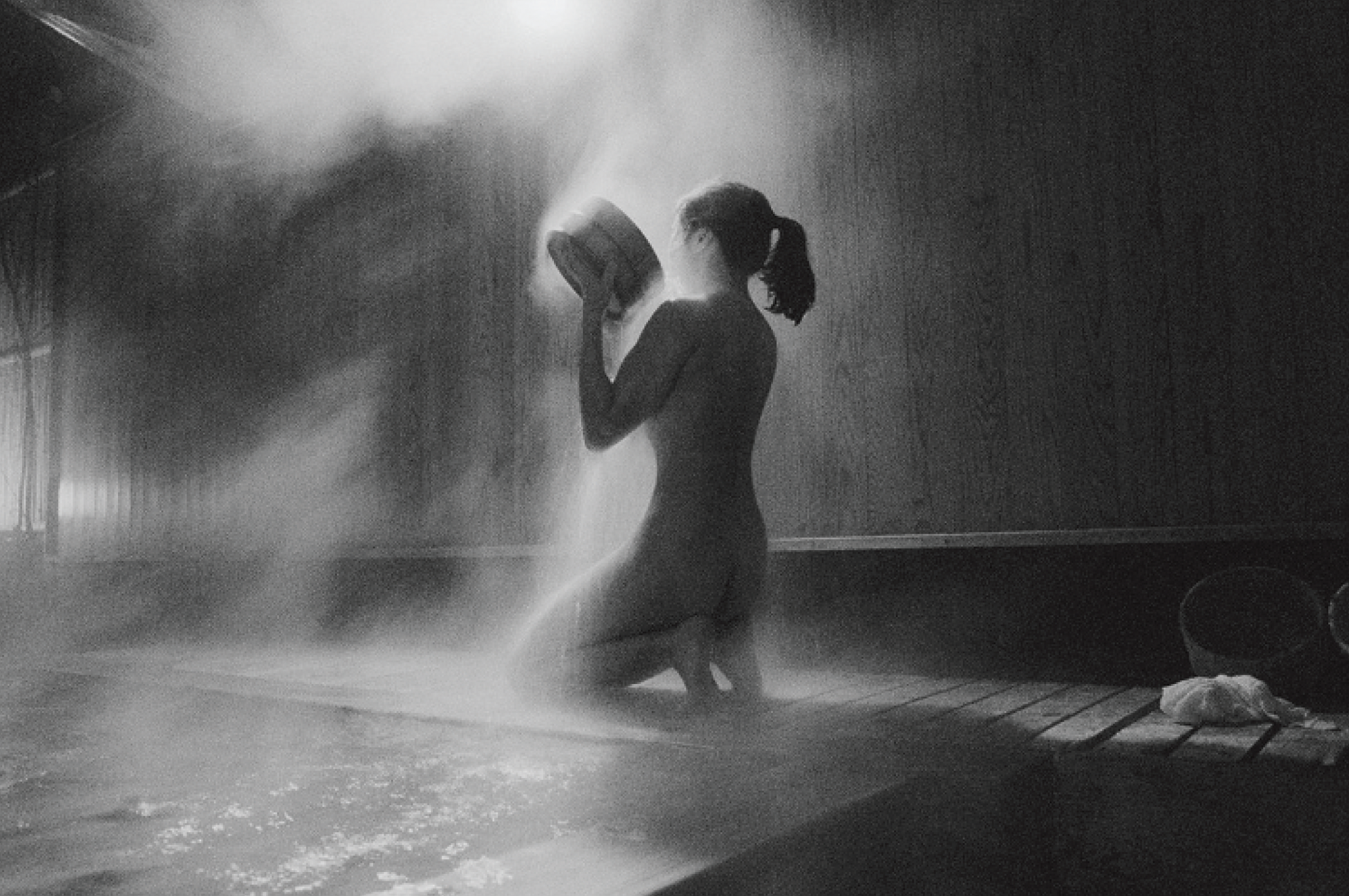
This bathhouse aims to engage all the senses and make visitors more aware of their own bodies, the landscape, the coast, and the surrounding environment — a complete transition into relaxation.
Bouwbeurs Utrecht - in samenwerking met Hurks Beton